
Our
Products
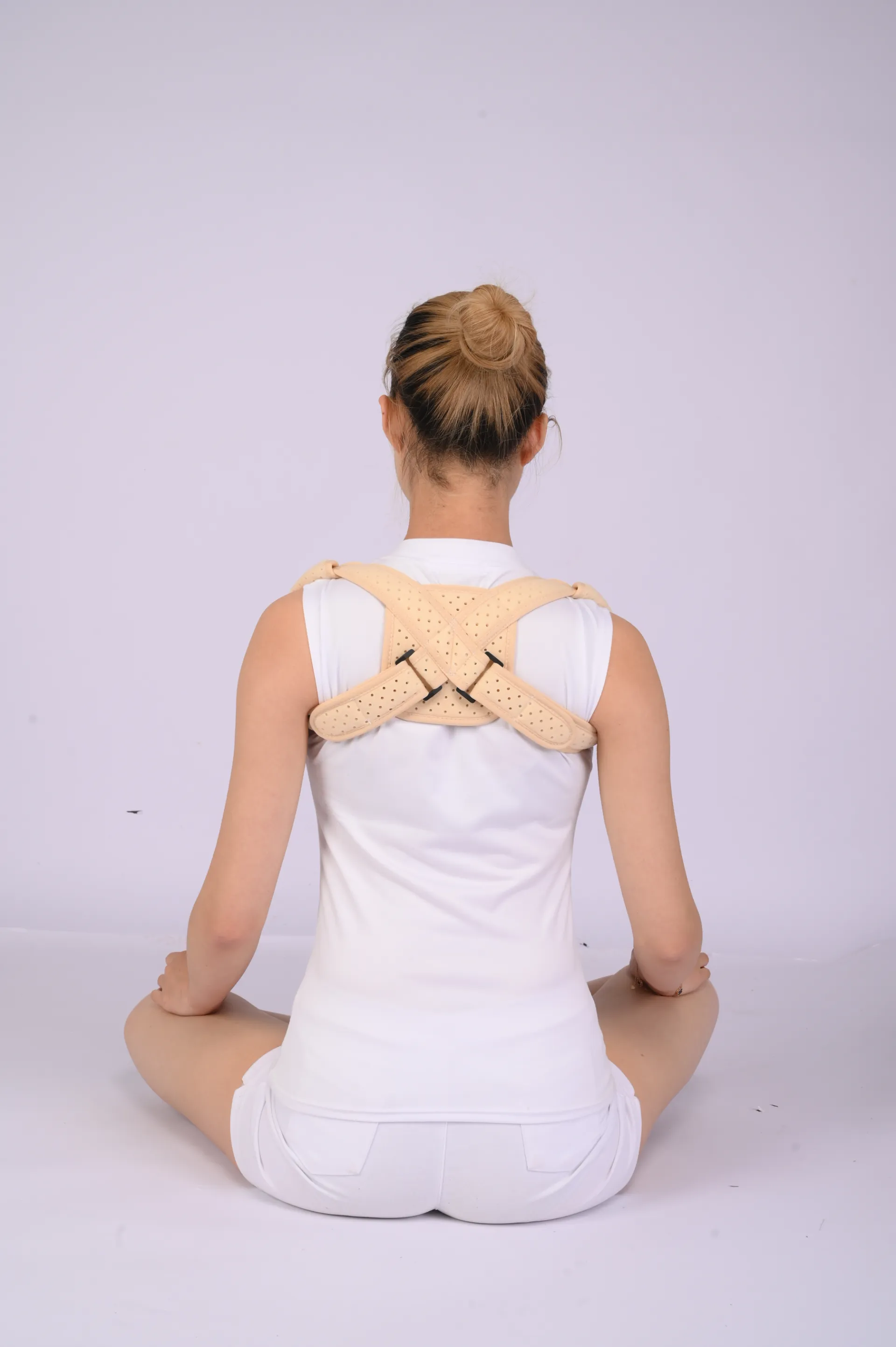
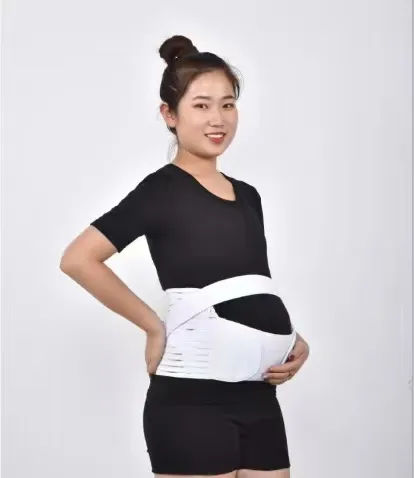
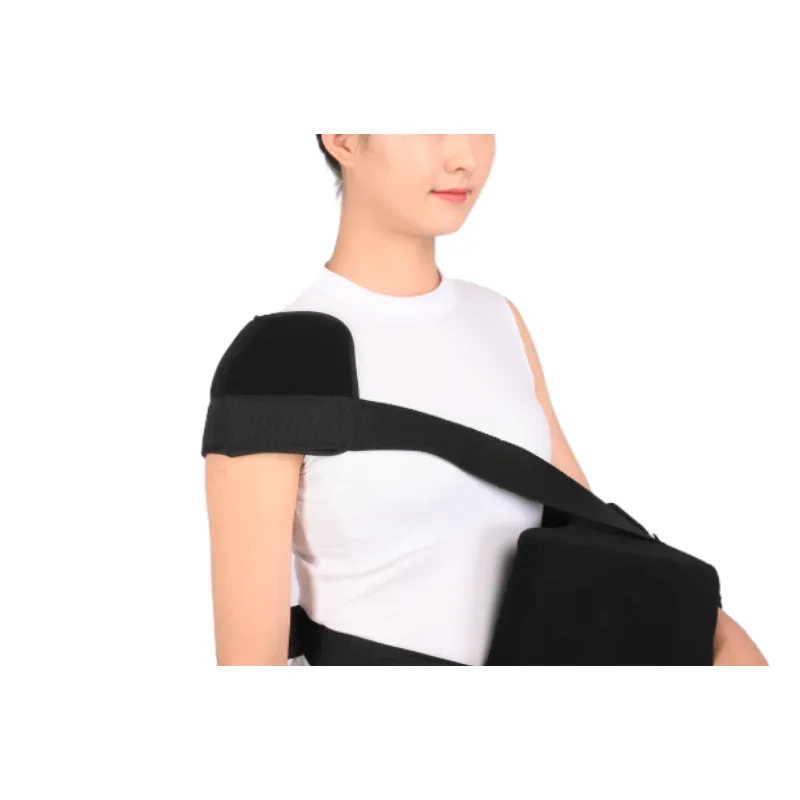
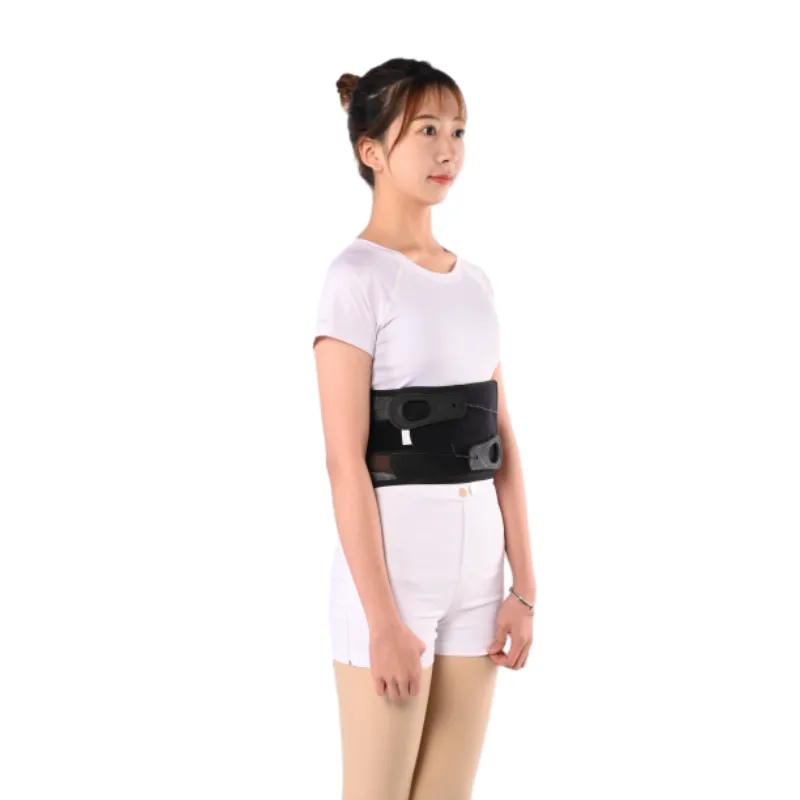
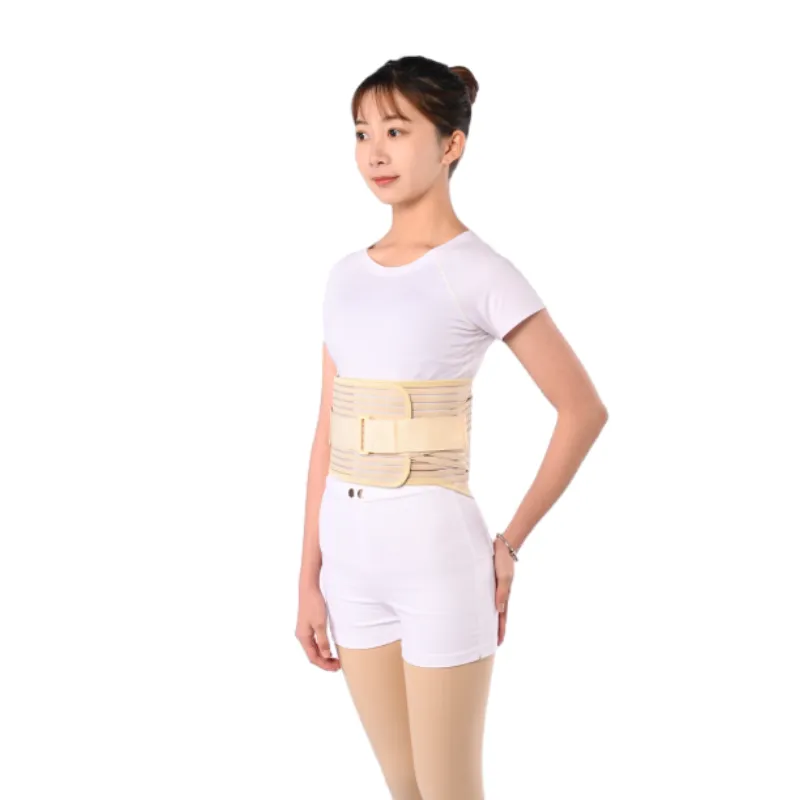
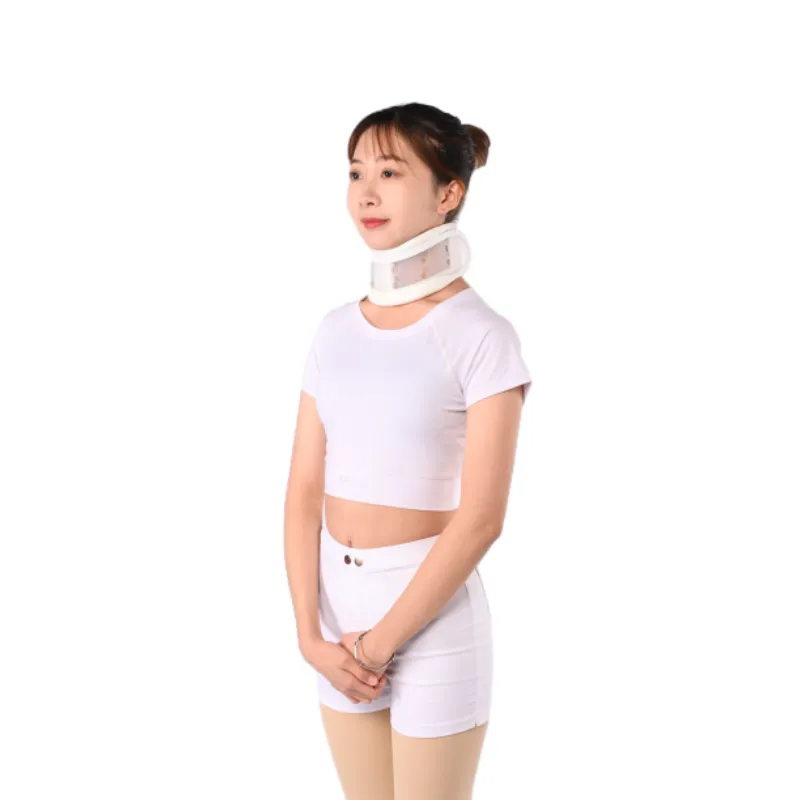

orthopedic cervical collar
Introduction to Advanced Cervical Orthotics In the realm of medical orthotics, the evolution of devices designed for cervical support and stabilization has been significant. Among these advancements, the adjustable neck collar stands out as a critical innovation, offering tailored support for a diverse range of patient needs. This technical deep dive explores the multifaceted aspects of modern cervical orthoses, from their sophisticated design principles and manufacturing processes to their vital role in various clinical applications. Designed for B2B decision-makers and medical professionals, this article emphasizes the technical prowess, reliability, and patient-centric design integral to high-performance cervical support systems. The demand for effective and comfortable cervical immobilization solutions continues to grow, driven by an increasing understanding of spinal health and an aging global population. A well-engineered adjustable neck collar provides essential support following trauma, surgery, or for chronic conditions, ensuring patient safety and promoting optimal recovery. Industry Trends and Market Dynamics in Cervical Orthotics The global cervical collar market is experiencing steady growth, projected to reach approximately $1.5 billion by 2027, driven by rising incidences of spinal injuries, degenerative conditions, and a heightened focus on post-operative rehabilitation. Key trends shaping this market include: Material Innovation: Shift towards lightweight, hypoallergenic, and breathable materials like advanced polymers and composites, enhancing patient comfort and reducing skin irritation. Ergonomic Design: Emphasis on anatomical contours and superior fit to maximize immobilization efficacy while minimizing pressure points. Adjustability and Customization: Development of highly adjustable and modular designs, such as the rigid cervical orthosis , to accommodate a wider range of patient anatomies and specific therapeutic requirements. This reduces the need for multiple SKUs and improves clinical efficiency. Technological Integration: Although nascent, future trends may include smart orthoses with embedded sensors for monitoring patient compliance or biomechanical feedback. Sustainability: Increasing focus on eco-friendly manufacturing processes and recyclable materials within the medical device sector. These trends underscore the importance of selecting a cervical collar hard adjustable that not only meets stringent medical standards but also aligns with evolving patient expectations for comfort and adaptability. Technical Specifications & Design Principles of Cervical Orthoses A high-quality cervical orthosis is engineered with precision to provide effective immobilization and support. Key parameters and design principles include: Material Composition: Typically medical-grade polyethylene (PE) or polypropylene (PP) for rigid shells, combined with open-cell foam padding for comfort and breathability. These materials offer an excellent strength-to-weight ratio and are biocompatible. Biomechanical Stability: Designed to limit cervical flexion, extension, lateral bending, and axial rotation, thereby promoting spinal alignment and reducing stress on injured tissues. Adjustability Mechanisms: Feature multi-post designs, anterior/posterior height adjustments, and sternal/occipital pad modifications. This allows for precise fitting across a wide range of neck circumferences and heights, crucial for any adjustable neck collar . Ventilation: Integrated vent holes and moisture-wicking liners to enhance air circulation and prevent skin breakdown, a common concern with prolonged use. Radiolucency: Often designed to be radiolucent (X-ray, CT, MRI compatible) for unimpeded diagnostic imaging without removal. Product Specification Table: Cervical Orthosis Parameter Specification Material (Shell) High-Density Polyethylene (HDPE) / Polypropylene (PP) Material (Padding) Closed-Cell Foam, Hypoallergenic Adjustability Multi-height anterior/posterior adjustment, universal sizing Immobilization Level Moderate to Rigid (limits 90-95% of cervical motion) Radiolucency MRI, CT, X-ray compatible Weight Approx. 0.25 - 0.45 kg (depending on size) Cleaning Washable, replace foam liners as needed Service Life Typically 1-2 years under normal use, or as specified by clinical need Manufacturing Process Flow for High-Quality Cervical Orthoses The production of an effective cervical collar orthosis involves a meticulously controlled manufacturing process, ensuring consistency, safety, and performance. Process Steps: Material Selection & Preparation: Sourcing medical-grade high-density polyethylene (HDPE) or polypropylene (PP) pellets, along with hypoallergenic foam for padding. Materials undergo stringent quality checks to ensure compliance with ISO 10993 (Biocompatibility) and relevant FDA standards. Injection Molding/Thermoforming (Shell Components): For rigid components (anterior and posterior shells), molten polymer is injected into precision molds (injection molding) or polymer sheets are heated and shaped over molds using vacuum or pressure (thermoforming). This ensures consistent geometry and structural integrity. This process is critical for producing the desired anatomical contours and the robust structure of the rigid cervical orthosis . Padding Fabrication: High-density, open-cell foam sheets are die-cut or CNC-machined to precisely fit the internal contours of the rigid shell components. Ventilation holes are also integrated at this stage. Assembly: The rigid shells, padding, and adjustable fastening mechanisms (e.g., hook-and-loop straps, height adjustment posts) are meticulously assembled. Ultrasonic welding or medical-grade adhesives may be used for permanent bonding, ensuring no sharp edges or irritants. Quality Control & Testing: Each adjustable neck collar undergoes a series of rigorous tests: Dimensional Accuracy: Verification of all critical dimensions against CAD specifications. Material Integrity: Non-destructive testing for stress points and potential material flaws. Functional Testing: Assessment of adjustability mechanisms, strap strength, and overall stability. Sterilization Compatibility: Ensuring the product can withstand common sterilization methods if applicable, or that materials are easily cleaned for multi-patient use (e.g., in emergency services). Compliance with ISO 13485 (Medical Devices Quality Management Systems) and relevant ANSI/ASTM standards for mechanical properties. Packaging & Sterilization (if applicable): Products are cleaned, packaged in sterile or clean environments, and prepared for distribution. This controlled process ensures each cervical collar hard adjustable meets the highest standards of safety, efficacy, and durability, crucial for their service life in demanding clinical environments such as emergency rooms, rehabilitation centers, and post-surgical recovery. Application Scenarios & Target Industries The versatility of the adjustable neck collar makes it indispensable across a spectrum of medical and emergency fields. Target industries and typical application scenarios include: Emergency Medical Services (EMS) & Trauma Centers: Immediate immobilization of the cervical spine following suspected trauma (e.g., motor vehicle accidents, falls) to prevent further neurological damage. The quick application and precise adjustability of a cervical orthosis are paramount in these time-sensitive situations. Post-Surgical Rehabilitation: Providing stable support during the recovery phase after cervical spine surgery (e.g., fusions, discectomies), ensuring proper healing and alignment. Orthopedic & Neurological Clinics: Management of chronic cervical pain, degenerative disc disease, cervical radiculopathy, and other conditions requiring temporary or long-term immobilization. Physical Therapy & Rehabilitation Centers: Used as part of a comprehensive treatment plan to gradually reduce cervical motion or as a protective measure during early mobilization exercises. Home Healthcare: For patients requiring continuous support and care outside of a clinical setting, emphasizing ease of use for caregivers and patient comfort. In these diverse settings, the ability to quickly and accurately fit various types of neck braces , particularly those with hard adjustable features, is a distinct advantage. Technical Advantages & Performance Benefits Modern cervical orthoses, especially the cervical collar hard adjustable , offer several critical technical advantages: Superior Immobilization: Engineered designs effectively restrict unwanted cervical motion across all planes, preventing further injury and facilitating optimal healing. Studies indicate rigid collars can reduce flexion-extension by up to 90%. Patient Comfort & Compliance: Lightweight materials, contoured designs, and breathable padding minimize pressure points, skin irritation, and heat buildup, directly improving patient tolerance and adherence to treatment protocols. Rapid & Precise Fitting: Intuitive adjustment mechanisms allow medical personnel to quickly and accurately fit the collar to diverse patient anatomies, which is vital in emergency situations and busy clinical environments. This also reduces inventory complexity by allowing a single model to fit multiple patient sizes. Durability & Longevity: High-grade polymers and robust construction ensure the orthosis can withstand repeated use and cleaning cycles without degradation of structural integrity, providing a longer service life and better value. Hygiene & Maintenance: Components are often designed for easy disassembly and cleaning, preventing bacterial accumulation and extending the usable life, especially important in institutional settings. Cost-Effectiveness: While the initial investment might be higher for a premium adjustable neck collar , its durability, reusability (with proper cleaning/liner replacement), and ability to fit multiple patients (in emergency settings) translate into significant long-term cost savings. Vendor Comparison & Selection Criteria Choosing the right supplier for a cervical orthosis is critical. Key criteria for vendor evaluation include: Certifications & Compliance: Ensure the manufacturer adheres to international quality standards such as ISO 13485 (Medical Devices), CE Marking for European markets, and FDA registration for the U.S. Product Portfolio: A diverse range of types of neck braces , from soft collars to rigid options, indicates comprehensive expertise. Material Quality & Innovation: Look for vendors who use high-grade, hypoallergenic, and durable materials. Adjustability & Fit: Prioritize designs that offer broad adjustability to minimize inventory and ensure optimal patient fit. Clinical Evidence & Reputation: Seek out vendors with established track records, positive customer feedback, and clinical studies supporting their product claims. Customer Support & Training: Reliable after-sales support, product training, and readily available replacement parts are essential. Product Comparison Table: Adjustable Cervical Collars Feature JH Orthopedic Cervical Orthosis Competitor A (Example) Competitor B (Example) Adjustability Range Universal (4-in-1 sizing, up to 16 positions) Limited (2-in-1 sizing, 8 positions) Multiple sizes needed (S, M, L) Radiolucency Yes (MRI, CT, X-ray compatible) Partial (some metal components) No (requires removal for imaging) Padding Material Hypoallergenic, breathable, washable Standard foam, less breathable Non-removable, difficult to clean Assembly Ease (EMS) Quick-release buckles, color-coded, intuitive Standard straps, can be complex Screw-based adjustments, time-consuming Certifications ISO 13485, CE, FDA Registered ISO 9001, CE Basic manufacturing standards Service Life (Estimated) 2 years (shell), 3-6 months (padding) 1 year (shell), 2-3 months (padding) 6 months (integrated unit) Customized Solutions for Specialized Needs While an adjustable neck collar offers significant versatility, certain complex cases may benefit from tailored modifications or entirely customized solutions. Leading manufacturers understand that "one size fits all" is not always optimal, especially for patients with atypical anatomies, severe deformities, or unique post-operative requirements. Customization can involve: 3D Scanning & Printing: Utilizing advanced imaging to create a precise digital model of the patient's neck and torso, then 3D printing custom components or even entire orthoses. This ensures an exact fit and maximizes immobilization efficacy. Material Variations: Incorporating specific material properties, such as enhanced flexibility in certain areas or additional padding for delicate skin. Integration with Other Devices: Designing the cervical orthosis to seamlessly interface with halo systems, thoracic components, or specialized vests for comprehensive spinal immobilization. Color and Aesthetics: While secondary to function, aesthetic considerations can improve patient acceptance, especially for long-term wear. Partnering with a manufacturer capable of offering these advanced customization options ensures that even the most challenging clinical presentations receive optimal support from a bespoke cervical orthosis . Application Case Studies & Customer Feedback Real-world application highlights the tangible benefits of a high-quality adjustable neck collar . Case Study 1: Emergency Trauma Stabilization A major urban trauma center adopted our universal-fit rigid cervical orthosis for its entire EMS fleet. The quick-application design, coupled with broad adjustability, significantly reduced on-scene immobilization times by an average of 3 minutes per patient. Paramedics reported enhanced confidence in securing the cervical spine, attributing it to the intuitive, color-coded adjustment system. Post-implementation data showed a 15% reduction in complications related to inadequate initial immobilization, leading to improved patient outcomes and reduced litigation risks. Case Study 2: Post-Operative Recovery A leading orthopedic hospital integrated our cervical orthosis into their post-cervical fusion rehabilitation protocol. Patient feedback highlighted superior comfort due to the breathable, washable padding, which was a critical factor in maintaining compliance during an average 6-week wear period. Clinicians noted the device's robust immobilization capabilities allowed for earlier, controlled ambulation, contributing to a 10% faster discharge rate compared to previous collar types. The ability to easily clean and replace foam liners also improved hygiene in a multi-patient environment. These cases exemplify the direct impact of superior design and engineering on patient care and operational efficiency. Ensuring Trustworthiness: FAQs, Fulfillment, and Support Frequently Asked Questions (FAQs) Q: How does the adjustability of your cervical collar work? A: Our adjustable neck collar features a multi-post design with clear height indicators and intuitive locking mechanisms, allowing for precise adjustment of anterior and posterior heights. This enables a universal fit for most adult anatomies, reducing the need for multiple inventory sizes. Q: Are your cervical orthoses radiolucent? A: Yes, all our rigid cervical orthoses are designed to be fully radiolucent, meaning they are compatible with X-ray, CT, and MRI imaging without requiring removal, thus avoiding unnecessary patient movement and potential re-injury. Q: What is the recommended cleaning procedure for the cervical collar? A: The rigid shell components can be wiped down with a mild detergent and water, or a standard hospital disinfectant solution. The foam padding is typically removable and machine washable on a gentle cycle, then air-dried. Regular cleaning extends the life of the product and maintains hygiene. Lead Time & Fulfillment We understand the critical need for timely supply in the medical sector. Our standard lead time for most cervical orthosis orders is 7-14 business days, depending on order volume and customization requirements. For urgent or large-volume orders, expedited manufacturing and shipping options are available. We maintain robust inventory levels of standard models to ensure rapid dispatch. Our logistics team works closely with clients to optimize delivery schedules and manage complex distribution needs, including direct-to-hospital and bulk warehouse shipments. Warranty Commitments Our cervical orthosis products are backed by a comprehensive warranty against manufacturing defects for a period of one (1) year from the date of purchase. This warranty covers structural integrity and material quality under normal use and recommended care. Consumable components, such as foam padding, typically have a shorter, specified lifespan and are available as replacement parts. Detailed warranty terms and conditions are provided with each purchase. Customer Support Information Our dedicated customer support team is available to assist with product inquiries, technical support, order tracking, and after-sales service. Technical Support: Access to product specialists for fitting guidance and troubleshooting. Sales Inquiries: Dedicated account managers for B2B procurement and volume pricing. Training & Resources: Online resources, videos, and in-person training sessions available for medical professionals on optimal product use and care. We are committed to building long-term partnerships through exceptional product quality and responsive service. Conclusion The modern adjustable neck collar represents a pinnacle of orthopedic engineering, merging advanced material science with patient-centric design. From its meticulous manufacturing process and adherence to global quality standards to its versatile application across emergency, post-operative, and rehabilitative care, this device is indispensable for effective cervical spine management. As a critical component in medical infrastructure, selecting a high-performance cervical orthosis from a reputable manufacturer ensures not only superior patient outcomes but also operational efficiency and long-term cost-effectiveness for healthcare providers. References National Institute of Neurological Disorders and Stroke. Spinal Cord Injury: Hope Through Research. https://www.ninds.nih.gov/Disorders/All-Disorders/Spinal-Cord-Injury-Information-Page International Organization for Standardization. ISO 13485: Medical devices — Quality management systems — Requirements for regulatory purposes. https://www.iso.org/standard/59752.html U.S. Food and Drug Administration. Medical Devices. https://www.fda.gov/medical-devices American Academy of Orthopaedic Surgeons. Cervical Spine Fractures. https://orthoinfo.aaos.org/en/diseases--conditions/cervical-spine-fractures/ Spine-health.com. Cervical Collars for Neck Pain. https://www.spine-health.com/treatment/pain-management/cervical-collars-neck-pain
Why Choose Us



Read
Our
Blog

No.240 Xingying West Street,Anping County,Hebei Province,China


Have a question? Keep in touch.


Copyright © 2025 Hebei
Jianhang
Technology
Co.,Ltd.
All Rights Reserved. Privacy Policy


